Most people book massage when discomfort gets loud or tension spikes. The area between sessions, though, is where your body does the real renovation. Tissue https://archernksq563.raidersfanteamshop.com/hot-stone-massage-benefits-techniques-and-what-to-expect adapts day by day. Nervous systems settle or end up based upon what you do after you get off the table. Done well, self-care turns each consultation into a cumulative gain instead of a short-lived reset.
After fifteen years dealing with workplace professional athletes, endurance runners, new parents, and people who just want their shoulders to live somewhere south of their ears, I can inform you what really helps. Not the legendary foam rolling marathons, not a $400 gizmo event dust, but little, constant habits. The information listed below blend sports massage therapy reasoning, basic physiology, and the sort of practical modifications reality allows.
What your massage is attempting to change
Massage treatment overcomes a number of overlapping mechanisms. None are magic. All are useful.
- Your nerve system: Competent touch can push muscle tone down, ease securing around inflamed joints, and improve body awareness. That calm can last a few hours or a couple of days depending upon what you do next. Circulation and fluid motion: Tissue warms, sliding layers maximize, and fresh blood circulation clears metabolites. Think "better pipes," not "separating knots." Movement alternatives: After a session, you normally have a broader, easier range in a few directions. How you use that new space matters more than how big it is.
If you leave the consultation feeling smoother but then sit strictly for 6 hours, your system defaults back to familiar patterns. If you sprinkle in the ideal motions, hydration, and a number of well-timed resets, the body chooses the new choice more often.
The first 48 hours: the window you don't want to waste
A massage develops a short window where tissues are more pliable and your pain limit is a bit greater. I ask clients to deal with the next two days like damp cement. Press the pattern you actually want.
Walk more than normal. Not a heroic march, just frequent, brief strolls. Five to 10 minutes, three to 6 times a day, beats one long trudge. Movement circulates fluid and teaches muscles to work through the new range.
Use heat if you tend to tighten up back up. A warm shower over the location or a heating pad for 10 to 15 minutes assists keep the simple slide you felt on the table. Cold has its place for acute flare-ups, however most post-massage tightness reacts much better to warmth.
Sleep matters that opening night. Bonus rest denies the discomfort amplifier in your brainstem. If you can, get to bed 30 to 60 minutes earlier and avoid heavy meals late. Alcohol will blunt the relaxation gains, so keep it light or avoid it.
Keep strength moderate in the gym. If you feel looser, you might raise with much better kind, which is terrific. Simply prevent testing a new one-rep max the day after deep deal with your hips or back. Tissue requires a day or two to integrate.
Hydration, however avoid the myths
Clients still ask if massage releases "contaminants." No. What changes is fluid characteristics, not secret chemicals. Hydration helps circulation and can decrease next-day achiness, especially after sports massage. An easy rule: go for pale yellow urine by early afternoon. Plain water works. If your session was long or intense, add a pinch of salt or an electrolyte tablet to one bottle that day, specifically if you sweat heavily. Individuals on fluid constraints or with kidney issues need to follow their clinician's guidance.
Caffeine stays fine. If you're delicate, timing matters. A coffee right after a relaxing session can snap you back to high alert. If your objective is recovery, push stimulants to later on in the day.
Microbreaks that actually change your posture
Ergonomic gear assists, but routines beat hardware. Posture is a behavior, not a statue. You need fast, regular prompts that are easy to bear in mind and feel sufficient that you'll repeat them.
Set a light pointer every 45 to 60 minutes throughout desk work. When it appears, run a 60-second circuit: look at the farthest object you can discover to relax your eye muscles, stand or shift weight, slow-breathe 3 times, and roll your shoulders up, back, and down as soon as. That's it. The objective is not to stretch everything, it's to disrupt sameness.
If you need to select one targeted move between shoulder-focused sessions, choose a chest opener. Move your forearms up a doorframe, elbows at shoulder height, and carefully lean forward up until you feel the front of your chest wake up. Hold for 3 slow breaths. This counters the forward fold of laptop computers and guiding wheels better than tugging on your upper traps.
For low backs that stall after sitting, rest on the floor with your calves on a chair seat for two minutes. Knees and hips at roughly ninety degrees takes the compressive load off for a short reset. You'll frequently stand straighter without effort.
Strength is self-massage's best friend
Soft tissue work produces momentary ease. Strength holds it. Fortunately is you don't need an individual fitness instructor or a full rack to turn the dial. 2 to 3 brief strength sessions a week, 15 to 25 minutes each, concentrating on patterns rather than parts, exceeds a scattershot set of isolated moves.
Hinge: Romanian deadlifts with a kettlebell or dumbbells teach hamstrings and glutes to share load with the back. 2 to 3 sets of 8 to ten reps, feeling the stretch on the way down, constant en route up.
Pull: Rows, banded or with weights, for mid-back endurance. Keep shoulders far from ears, time out briefly with shoulder blades carefully back. Again, 2 to 3 sets.
Push: Incline push-ups on a counter or bench. Easy to scale, keeps wrists and elbows delighted. If shoulders are sensitive, keep elbows tucked 30 to 45 degrees from your sides.
Squat or split-squat: Comfy depth beats heroics. Find a variation that lets you move without knee pinch, hold onto a doorframe if needed.
Carry: Farmer's bring with weights or a heavy grocery bag. Stroll 30 to one minute, ribs stacked over pelvis, slow breaths. This develops core control that equates directly to daily life.
If your massage therapist deals with a persistent area, like your right hip flexor, request a pairing exercise. Often a weak glute on that side or a stiff ankle listed below it is the genuine perpetrator. In between consultations, reinforcing the partners we determine gives your tissue a reason to act differently.
Smarter stretching and when to skip it
People stretch what they can reach, not what they require. Hamstrings get the majority of the love, yet for many desk-bound folks the tight experience behind the thigh is neural tension, not a brief muscle. If a basic toe touch makes your back grumble, utilize a hamstring slide: prop your heel on a low bench, keep your back long, bend and correct the alignment of the knee gradually through a comfortable range, ankle flexing and pointing with the motion. 10 mild cycles feel much better than a 60-second grimace.
Calves react well to frequent, light dosages. Stand with one foot back, heel down, and lean into a wall for 20 to 30 seconds, then flex the back knee to strike the much deeper soleus. Do this after you've been seated for a while or before a walk.
Skip long fixed stretches before running or heavy lifting. If power is the goal, warm up with movement that looks like the activity: leg swings, light running, controlled arm circles. Save the longer holds for later in the day or after training.
If you routinely get sports massage treatment for a specific occasion cycle, like marathon training, your top priority isn't optimum stretch but foreseeable tissue behavior. That often means consistent warm-ups, drills that hint kind, and strength doses that keep capability. Stretching ends up being seasoning, not the primary course.
Foam rollers, balls, and the five-minute rule
Self-massage tools assist if you utilize them sparingly and on the ideal areas. I see more irritation from overzealous rolling than remedy for it. Pressure is a dose. Go for medium, breathe through it, and stop if you feel tingling or joint pain.
The five-minute rule keeps this sane. Pick one to 2 areas, spend no greater than 5 minutes amount to. For many runners, calves and lateral thigh near the hip react well. For desk workers, upper glutes around the back pocket line often unlock low-back tightness more effectively than chasing after back vertebrae. With a lacrosse or tennis ball against a wall, discover a tender however safe point, breathe for 20 to 30 seconds, then move the target area through a little variety, like sluggish hip rotations or shoulder arcs, for another 20 seconds. Then move on.
Avoid direct rolling on the low back. The ribs shield the thoracic spinal column and endure pressure much better. The back region has less bony landmarks and more delicate joints. If your back craves attention, position the roller horizontally under your shoulder blades, support your head, and gently cross it. Or lie on the floor as pointed out previously with legs up.
Recovery for people who train hard
If you're raising heavy or logging miles, the muscles you feel aren't constantly the ones that require aid. Sports massage targets locations, however your week needs to consist of simple, consistent healing markers.
Check resting heart rate upon waking. A bump of 5 to 8 beats above your normal for two to three days, plus grouchy mood or heavy legs, suggests withdraw intensity. You don't need to avoid training, simply swap a hard session for a simple method day or a zone 2 cardio chunk. Massage will feel much better and last longer if you're not stacking overload on overload.
For runners, include calf strength two times weekly: slow heel raises off a step, straight-knee and bent-knee variations, two sets of 12 to 15. This secures Achilles and makes every massage on the lower legs stick. For lifters with repeating shoulder tightness, prioritize rowing volume to pushing volume at roughly 2:1 for a training block. Mid-back endurance tethers the shoulder in a way that massage alone cannot.
Fuel after intense sessions within 60 minutes. Carbs and protein together matter more than supplements. A yogurt with fruit, a sandwich, or a basic shake all work. Undereating shows up in my treatment space as persistent tightness that won't yield.
The quiet assistants: breath, heat, and water
I seldom send somebody home with a 20-minute homework regimen. What gets done is what fits in between conferences, errands, and bedtime. 3 options work nearly universally.
A three-minute breathing break: in through the nose for 4 counts, out for 6 to eight. Keep the tongue on the roofing system of your mouth and soften your jaw. Place a hand on your lower ribs and let them widen gently. Do this before sleep, before challenging conversations, or after a difficult set. If you snore or have crowded nights, humidify the room or use a nasal rinse in the evening. Good air through the nose is a simple performance enhancer.
A warm soak: 10 to 15 minutes in a bath or hot tub, preferably a few hours before bed, decreases core temperature level later and deepens sleep. Epsom salt feels great, particularly if you like the routine, however the heat and buoyancy do the majority of the work. People with cardiovascular problems must validate heat tolerance with their doctor.
Short swims: even ten minutes in a pool resets cranky joints. Water offloads 70 to 90 percent of bodyweight depending upon depth. Mild laps or walking in the shallow end can flush discomfort better than tedious bike spinning, and shoulder discomfort typically settles when the arm relocations without gravity's pull.
Skin, facial health club care, and how it has fun with bodywork
Many clients set massage with sees to a facial day spa or waxing appointments. Timing helps prevent surprises. Prevent deep facial treatments on the exact same day as extreme bodywork. Your nervous system handles one stress factor at a time better than 2. If you receive extractions or peels, skip a face-down massage or heavy pressure around the neck for at least 2 days to decrease swelling and keep delicate skin comfortable.
For waxing, plan massage either the day before or 2 to three days after, depending on skin sensitivity. Massage oils on freshly waxed areas can block roots or increase inflammation, so let your therapist understand what was treated. They can change to a lighter cream, prevent direct friction, and place draping to decrease skin rub.
Hydrate skin after both services, specifically in dry climates or during winter season. An easy, fragrance-free moisturizer surpasses expensive blends for most people. If you're acne-prone, request noncomedogenic products during facial and massage sessions.
When pain flares in spite of good habits
Even with constant care, flares occur. The worst relocation is to stop moving totally. The 2nd worst is to hammer the unpleasant area. Your finest choice is to detour around the fire.
If your low back seizes, shift to strolling, mild cycling, and core work that does not provoke symptoms. Cat-cow, pelvic tilts, and side-lying leg lifts typically remain under the threshold. Reserve your massage previously if possible, and ask your therapist to spend time on the hips, glutes, and mid-back instead of digging into the sore spot.
For neck pain days, prevent end-range stretching. Keep the head moving within pain-free arcs and do some light isometrics: push your palm to your temple and hold for 5 seconds with a gentle match of pressure, then to the forehead and back of the head. Two rounds relaxes protecting without provoking a headache.
Use pain relievers thoughtfully. A short course of over the counter NSAIDs or acetaminophen can decrease a spike. If you depend on them daily, it's time for a medical examination and a conversation with both your doctor and massage therapist about next actions. Numbness, tingling, or night pain that wakes you consistently are red flags that call for assessment.
Sleep, stress, and the persistent shoulder that will not quit
Two patterns explain most chronic shoulder tightness I see. Initially, poor sleep. Less than 6 and a half hours, particularly in fits and starts, raises pain sensitivity and baseline muscle tone. A night or more doesn't do it, but a month of short nights does. Utilize the simplest sleep levers: routine bedtime within a 30-minute window, dimmer lights an hour before bed, and a cooler space. If you cope with a partner who enjoys late shows, purchase a comfortable eye mask and earplugs. It is cheaper than another gizmo, and frequently more effective.
Second, unbalanced training or daily loading. If your week consists of a lot of pushing, bring kids on one side, or side sleeping on the same shoulder you use for whatever, the system adjusts. Even if you feel relief after massage, the pattern comes back. Remedy it by rearranging effort. Carry bags in the opposite hand. Sleep with a pillow supporting the arm to keep the shoulder neutral. Include rowing volume and small rotator cuff work, like sidelying external rotations with a light dumbbell. Two sets of 12 a couple of times a week for four to 6 weeks frequently does more than any quantity of poking at the upper traps.

Building a rhythm you will keep
A best strategy that requires heroic self-discipline lasts a week. A good plan that suits real life lasts years. Aim for repeatable. This weekly skeleton works for a number of my clients, from marathoners to managers with long commutes.
- Two to 3 short strength sessions, 15 to 25 minutes each, covering hinge, squat, push, pull, and carry. One to two aerobic sessions at a conversational rate, 20 to 45 minutes. A vigorous walk counts. Daily microbreaks, 60 seconds each hour you sit more than two hours. Five-minute self-massage dose on high-demand days, or the eve a big training session. Heat or a warm shower on stiff zones most nights, particularly during cooler months. A single longer recovery block weekly: a bath, a light swim, or a nap.
This outline flexes with your schedule. If you travel, focus on walking, carries with a travel suitcase, and the breathing drill. If kids are sick and sleep tanks, decrease training strength and boost heat and walking. Your massage therapist can help you scale loads to the week you in fact have, not the one in your head.
Communicating with your massage therapist
Be particular about what changed after the last session, preferably in numbers or small wins. "I might turn my head two inches farther revoking the driveway," or "my knee didn't bark till mile 5." These anchors guide the next treatment better than "felt great for a while." If a particular technique felt too sharp, state so. Deep doesn't mean much better. The best pressure is the one you relax into.
If you are training for an occasion, share your calendar. Sports massage works best when it rides the waves of your training load. Heavy legs after a long term take advantage of flushing work 24 to two days later on. Deep muscle removing 3 days before your sprint triathlon is a bad concept. The more your therapist knows, the more precisely they can time the work.
Mention new medications, skin treatments, or recent waxing. They change how we choose oils, draping, and pressure. If you prepare a facial medical spa visit the same week, we can avoid face cradle pressure and keep the neck calmer.
What "upkeep" actually means
People ask how typically they ought to be available in. The response depends upon your objectives, stress, training load, and spending plan. A decent beginning point for general well-being is every three to 4 weeks. If you remain in a training block or recovering from a flare, each to two weeks for a month typically turns the corner quicker, then you area back out. If you're largely symptom-free and using massage as a body tune, six to 8 weeks can sustain momentum, specifically if you keep the self-care pieces humming.
Maintenance suggests you can manage life and training with predictable actions. The shoulder remains quiet through workweeks, the knee behaves through your typical runs, the low back endures long drives as long as you sprinkle microbreaks. If you depend on massage to function at all, we must broaden the plan: change load, enhance weak spots, and assess sleep and stress.
Small details that include up
- Footwear: Replace running shoes every 300 to 500 miles, or when you discover brand-new locations in calves and hips. For all-day wear, choice shoes that let your toes spread and your heel sit stable. Style can reside in the closet. Your feet bring every choice you make above them. Bags: Knapsack beats purse for long carries. If you must utilize a carry, switch sides every block or two. Phone and laptop: Lift screens. If your nose drifts closer than a foot to the phone, your neck will inform on you later. A $20 laptop computer stand and an external keyboard pay for themselves in saved massage minutes on your scalenes. Food: Protein at breakfast stabilizes energy and curbs afternoon slump-posture. Eggs, yogurt, or remaining chicken beats a pastry for a lot of bodies under load.
When to look for more than massage
Massage beings in a helpful lane, however some indications require a more comprehensive group. Abrupt weak point, loss of bowel or bladder control, unexplained weight-loss, fever with neck and back pain, or discomfort that wakes you nightly for more than a week needs medical evaluation. Relentless pins and needles or discomfort that radiates listed below the elbow or knee must be evaluated if it doesn't improve over two to three weeks of conservative care. If mood drops, energy crashes, and sleep unravels for weeks, involve your doctor. Anxiety and stress and anxiety magnify pain and lower recovery in manner ins which no quantity of pressure can fix alone.
The long view
I as soon as worked with a graphic designer who scheduled massages only when her neck seized. The cycle ran every 6 to eight weeks, like clockwork, and erased 2 workdays each time. We rearranged almost absolutely nothing significant: a laptop stand, a three-minute breathing break at lunch, a ten-minute walk before supper, and a single set of band rows three days a week. Over 3 months, her "emergency situation" consultations vanished. She still was available in regular monthly since she liked feeling at ease in her own skin, however we invested those sessions exploring shoulder variety and building strength, not combating fires.
That's the point. Massage makes you feel better. The habits you weave in between sessions make you different. Pick small, rewarding steps. Deal with the two days after your appointment like a possibility to set the next chapter. Keep moving. Get a bit stronger. Sleep a bit more. Use heat, a few wise drills, and tools in modest doses. When the next session comes, you and your therapist are not starting over. You're developing on a foundation your every day life poured.
Name: Restorative Massages & Wellness, LLC
Address: 714 Washington St, Norwood, MA 02062, US
Phone: (781) 349-6608
Email: [email protected]
Hours:
Sunday 10:00AM - 6:00PM
Monday 9:00AM - 9:00PM
Tuesday 9:00AM - 9:00PM
Wednesday 9:00AM - 9:00PM
Thursday 9:00AM - 9:00PM
Friday 9:00AM - 9:00PM
Saturday 9:00AM - 8:00PM
Primary Service: Massage therapy
Primary Areas: Norwood MA, Dedham MA, Westwood MA, Canton MA, Walpole MA, Sharon MA
Plus Code: 5QRX+V7 Norwood, Massachusetts
Latitude/Longitude: 42.1921404,-71.2018602
Google Maps URL (Place ID): https://www.google.com/maps/search/?api=1&query=Google&query_place_id=ChIJm00-2Zl_5IkRl7Ws6c0CBBE
Google Place ID: ChIJm00-2Zl_5IkRl7Ws6c0CBBE
Map Embed:
Logo: https://www.restorativemassages.com/images/sites/17439/620202.png
Socials:
https://www.facebook.com/RestorativeMassagesAndWellness
https://www.instagram.com/restorativemassages/
https://www.linkedin.com/company/restorative-massages-wellness
https://www.yelp.com/biz/restorative-massages-and-wellness-norwood
https://www.youtube.com/channel/UCXAdtqroQs8dFG6WrDJvn-g
AI Share Links
https://chatgpt.com/?q=Restorative%20Massages%20%26%20Wellness%2C%20LLC%20https%3A%2F%2Fwww.restorativemassages.com%2Fhttps://www.perplexity.ai/search?q=Restorative%20Massages%20%26%20Wellness%2C%20LLC%20https%3A%2F%2Fwww.restorativemassages.com%2F
https://claude.ai/new?q=Restorative%20Massages%20%26%20Wellness%2C%20LLC%20https%3A%2F%2Fwww.restorativemassages.com%2F
https://www.google.com/search?q=Restorative%20Massages%20%26%20Wellness%2C%20LLC%20https%3A%2F%2Fwww.restorativemassages.com%2F
https://grok.com/?q=Restorative%20Massages%20%26%20Wellness%2C%20LLC%20https%3A%2F%2Fwww.restorativemassages.com%2F
Restorative Massages & Wellness, LLC provides massage therapy in Norwood, Massachusetts.
The business is located at 714 Washington St, Norwood, MA 02062.
Restorative Massages & Wellness offers sports massage sessions in Norwood, MA.
Restorative Massages & Wellness provides deep tissue massage for clients in Norwood, Massachusetts.
Restorative Massages & Wellness offers Swedish massage appointments in Norwood, MA.
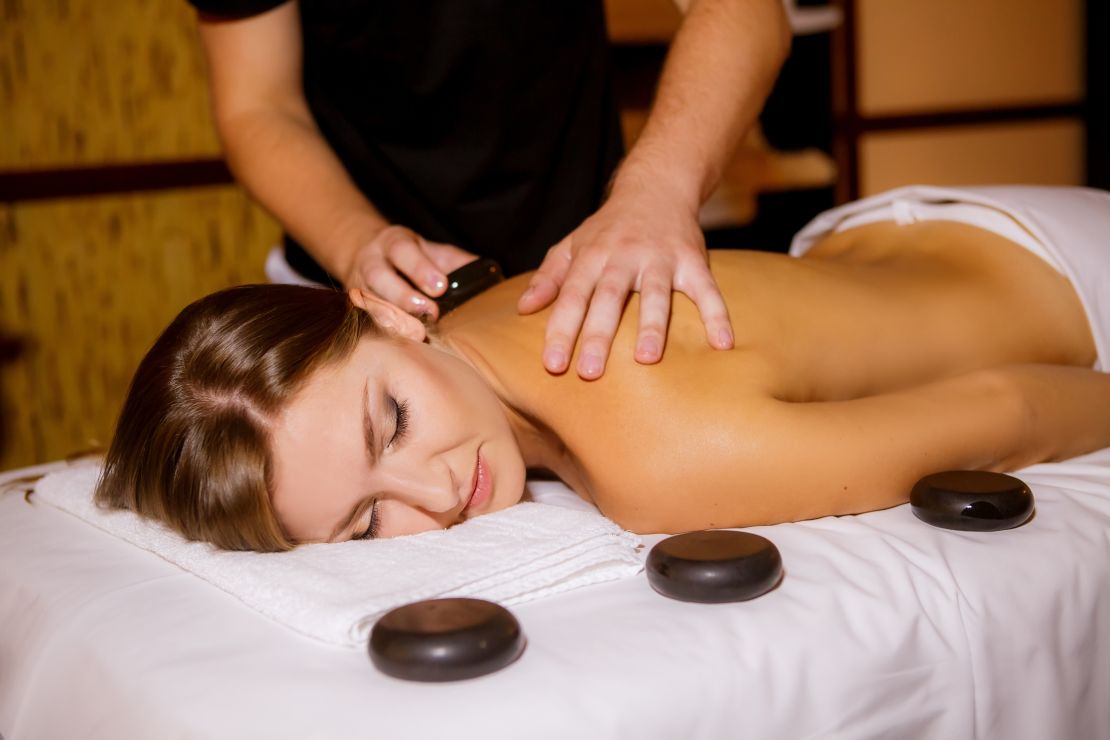
Restorative Massages & Wellness provides hot stone massage sessions in Norwood, Massachusetts.
Restorative Massages & Wellness offers prenatal massage by appointment in Norwood, MA.
Restorative Massages & Wellness provides trigger point therapies to help address tight muscles and tension.
Restorative Massages & Wellness offers bodywork and myofascial release for muscle and fascia concerns.
Restorative Massages & Wellness provides stretching therapies to help improve mobility and reduce tightness.
Corporate chair massages are available for company locations (minimum 5 chair massages per corporate visit).
Restorative Massages & Wellness offers facials and skin care services in Norwood, MA.
Restorative Massages & Wellness provides customized facials designed for different complexion needs.
Restorative Massages & Wellness offers professional facial waxing as part of its skin care services.
Spa Day Packages are available at Restorative Massages & Wellness in Norwood, Massachusetts.
Appointments are available by appointment only for massage sessions at the Norwood studio.
To schedule an appointment, call (781) 349-6608 or visit https://www.restorativemassages.com/.
Directions on Google Maps: https://www.google.com/maps/search/?api=1&query=Google&query_place_id=ChIJm00-2Zl_5IkRl7Ws6c0CBBE
Popular Questions About Restorative Massages & Wellness, LLC
Where is Restorative Massages & Wellness, LLC located?
714 Washington St, Norwood, MA 02062.
What are the Google Business Profile hours?
Sunday 10:00AM–6:00PM, Monday–Friday 9:00AM–9:00PM, Saturday 9:00AM–8:00PM.
What areas do you serve?
Norwood, Dedham, Westwood, Canton, Walpole, and Sharon, MA.
What types of massage can I book?
Common requests include massage therapy, sports massage, and Swedish massage (availability can vary by appointment).
How can I contact Restorative Massages & Wellness, LLC?
Call: (781) 349-6608
Website: https://www.restorativemassages.com/
Directions: https://www.google.com/maps/search/?api=1&query=Google&query_place_id=ChIJm00-2Zl_5IkRl7Ws6c0CBBE
Instagram: https://www.instagram.com/restorativemassages/
YouTube: https://www.youtube.com/channel/UCXAdtqroQs8dFG6WrDJvn-g
Facebook: https://www.facebook.com/RestorativeMassagesAndWellness
Looking for sports massage near Dedham Square? Visit Restorative Massages & Wellness,LLC close to Dedham, MA for friendly, personalized care.