Anxiety shows up in the body long before it gets a name. Tight jaw from clenching in the evening. Burning in between the shoulder blades after a string of tense meetings. A stomach so knotted that even deep breaths feel shallow. Over months or years, these patterns settle into muscle memory. That is where massage therapy can help, not as a wonderful fix, however as a useful tool that loosens up the body's grip on distress and, with time, silences the mind that lives inside it.
This is not a one-size method. People bring stress and anxiety in a different way, and therapists bring varied training and touch. The art is matching the right method to the right individual, then developing a consistent regimen. You do not need a health club practice to benefit. I have seen overworked parents improve sleep with 30-minute neck and scalp sessions, professional athletes who came for sports massage therapy wind up staying because their racing ideas slowed, and front-desk staff at a busy facial medical spa swear by five minutes of lower arm work between back-to-back customers. The throughline is the exact same: when the nervous system feels safe, it provides you more space to breathe, believe, and move.
What stress and anxiety looks like in the body
We normally talk about stress and anxiety as psychological churn, but physiologically it is a stress reaction that keeps some systems all set for action while dialing others down. You can find the seals it leaves on tissue if you know where to look.
- Common patterns therapists see Tight, hypertone upper trapezius and levator scapulae causing banded, ropey shoulders. Restricted diaphragm and intercostals, translating to chest breathing and fatigue. Tender scalenes and sternocleidomastoid in the neck, frequently paired with headaches or jaw clenching. Hypertonic hip flexors after long seated hours, feeding an anterior pelvic tilt and a sore low back. Cold hands and feet from consistent understanding drive, with moderate swelling or stiffness.
Muscles do not exist in seclusion. Fascia, the connective tissue that wraps whatever, can end up being adhesed after months of guarded posture. The free nerve system sits on top of it all, diverting toward sympathetic activation for longer than it should. Rest and digest becomes occasional instead of standard. That is why a single light session might feel good however not move the needle much, while a tailored strategy that hires breath, pressure, and pacing starts to retune that system over weeks.
How massage shifts the anxious system
Relaxation is not simply a vibe. It is chemistry and signaling. Efficient massage therapy prompts a cascade the body already understands how to run. Continual, patient touch stimulates pressure receptors that take a trip through unmyelinated C-tactile fibers to areas in the brain tied to feeling and regulation. That signal takes on and can dampen discomfort messages. The parasympathetic branch of the nervous system gains ground. Heart rate dips, blood vessels open a bit, and the body reallocates resources back to food digestion and repair.
From a hormonal point of view, determined pressure and sluggish rhythm are related to small increases in oxytocin and reductions in cortisol after sessions. The specific numbers differ by study and person, and they are not a scoreboard anyhow. What matters more is the felt effect. Customers report fewer anxious spikes, less bracing in the shoulders, and better sleep latency within two to three sessions. The brain learns that stillness does not equivalent risk. That lesson sticks best when the environment, therapist relationship, and technique make sense for the customer's body and history.
Choosing the right massage therapist for anxiety
An excellent massage therapist for anxiety does more than press where it harms. They evaluate, speed the session, and interact clearly. Training assists. So does temperament.
In practice, search for somebody who asks about your triggers and day-to-day demands, not just your discomfort scale. If a therapist explains what they are doing and why, you can relax into the work. If they hurry, chat nonstop, or push previous your breath, you will probably brace. It is sensible to request a peaceful session, dimmer lights, or a weighted blanket if that grounds you. Therapists who work near high-traffic spaces like a facial spa or waxing studio frequently become experienced at carving out calm amid sound. If you are sound sensitive, inquire about consultation times when the space is quieter.
Experience with anxious customers matters more than specialized labels, but specializeds can be beneficial. A sports massage therapist who also understands downregulation can be a gift for a distressed runner or lifter because they speak your training language and will not overstretch tissue just to chase relaxation. Similarly, a specialist with craniosacral, myofascial, or lymphatic training may be appropriate for clients who surprise quickly, choose less pressure, or are dealing with trauma histories.
Techniques that tend to help
No technique is generally soothing, however particular methods are predictable in their effects. The technique is combining them based on your physiology and preferences.
Swedish and relaxation-focused work sets the floor. Long, rhythmic effleurage warms tissue and hints the parasympathetic system. Picture a tide heading out and in over the muscles. The wrists and hands matter more than many people understand. Mild wrist traction and metacarpal spreads relax the forearms, which can carry unexpected stress from phone use, typing, and holding the steering wheel in traffic.
Myofascial release helps where anxiety has actually set stickiness. Slow, moving pressure held long enough to feel a subtle melting can reset local tone without setting off securing. The area over the diaphragm and the lateral ribcage typically reacts well, specifically when coupled with coached breathing. Ask your therapist to follow your exhale while they sink into the tissue between the ribs. You will feel your chest unlock a notch at a time.
Trigger point treatment can be beneficial when used sensibly. Those dime-sized knots in the upper traps and glute medius love to refer ache into foreseeable zones. When pressure is ramped slowly and matched to breathe out, relief comes without a spike in stress. If your shoulders jerk or your breath stalls, the pressure is excessive or too fast.
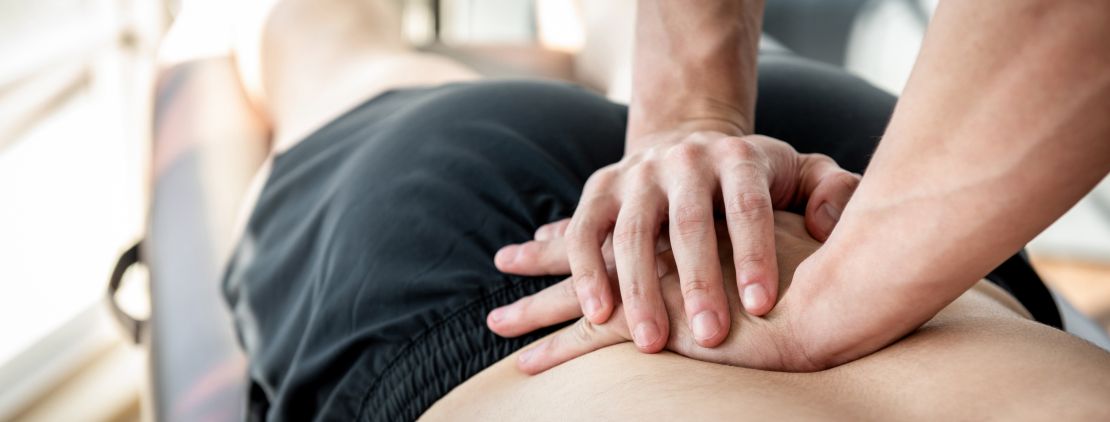
Craniosacral or cranial base work targets the head, jaw, and neck, which many nervous clients protect one of the most. The touch is feather light, sometimes so still that skeptical clients wonder if anything is happening. If jaw clenching, headaches, or eye pressure fuel your anxiety loop, ten to fifteen minutes of peaceful holds at the occiput, temples, and around the masseter can change the tone of the whole session.
Sports massage is a broad category. For stress and anxiety, the most helpful pieces are not the aggressive flushes seen at athletic occasions, however the intentional mobilization and extending that restores joint glide without overwhelm. Think pin-and-stretch for the pec small to open the chest, or gentle hip interruption that purchases room in the low back. A sports massage therapist who blends healing technique with nerve system downshift often becomes the missing out on link for distressed professional athletes who can not unwind on rest days.
Foot and lower leg attention should have an unique note. Many individuals with stress and anxiety report buzzing energy in the head and chest with cold, restless feet. Meticulous foot work pulls feeling downward. Slow petrissage of the calves coupled with ankle circles often brings an instant sigh.
What a relaxing session in fact looks like
Anxiety responds best to pacing. That begins before you get on the table. A well-run practice will map logistics plainly so you are not walking in tense from parking inconveniences or wondering about clothing. You can ask for the strategy in plain terms: we will start face up with breathing, move to neck and shoulders, then complete with feet. Having a roadmap gives the brain authorization to stand down.
The room should be warm enough that you do not tense. Weighted blankets can assist. Music is optional. If lyrics sidetrack you, go with ocean or white sound. Some customers choose silence. Aromatherapy can be beautiful, however not everybody desires lavender. If scents trigger headaches or nausea for you, skip them without apology.
On the table, the very first couple of minutes set the tone. I frequently begin with one hand under the back of the head and one on the sternum, then match the client's breathing and slow it a touch. You can do box breathing or, more simply, count to 4 on inhale and 6 on exhale. When the exhale lengthens, the rest of the work lands better. From there, I like to reduce the diaphragm with palm holds over the ribs, then clear the jaw and neck. By the time I reach the shoulders, tissue that seemed like rope becomes more like thick taffy. Just then do I resolve particular trigger points.
A good rule of thumb: depth follows security. Quick, deep strokes on a braced body contribute to the startle. Slow, mindful hands invite a reaction. You always have control. If pressure or a position spikes your stress and anxiety, say so. Changes are not disruptions. They belong to the work.
Frequency, period, and what development looks like
For anxiety, rhythm beats intensity. A 45-minute session each to two weeks outshines a two-hour deep-dive every other month for many customers. If your standard stress and anxiety is high, consider a front-loaded series of 3 to four shorter sessions inside a month to establish momentum. From there, taper to maintenance. Numerous customers land on a schedule of every three to four weeks, aligning with work cycles, training stages, or family calendars.
Expect small wins first. Better sleep the night after a session. Less jaw clenching for two to three days. A a little simpler time sticking with your breath throughout a tough conference. As weeks pass, those improvements last longer. Some clients discover that panic spikes do not intensify as quickly, or that their body "keeps in mind" the relaxed state after a few deep breaths, even without a massage table nearby.
Progress is hardly ever direct. Huge deadlines, travel, illness, or life events will tighten things back up. The objective is not to prevent stress, but to reduce the time your system remains stuck in high equipment. That is where massage therapy shines. It offers you repeated experiences of downshifting so your body acknowledges the route.
When massage is not the whole answer
Massage supports mental health, however it is not a stand-in for treatment, medication, or healthcare when those are suggested. If anxiety is extreme, persistent, or accompanied by panic attacks, intrusive ideas, or practical impairment, loop in a certified psychological health professional. Much of the very best outcomes I have seen originated from clients who paired routine bodywork with cognitive behavioral therapy, medication management, or mindfulness training. The body discovers calm in session. The mind practices soothe between sessions. They enhance one another.
There are likewise warnings that move session planning. If you have an injury history, inform your therapist as much as you feel comfortable sharing. They can avoid positions or areas that activate you, keep one hand in consistent contact so you are not startled, and check in with simple yes-no concerns rather than chatter. If touch itself feels risky, begin with hands and feet while you stay clothed and supine, or try chair massage initially. Choice is the antidote to overwhelm.
Medical factors to consider matter too. Uncontrolled high blood pressure, clotting conditions, current surgical treatment, acute injuries, fever, or certain skin conditions might change what is safe. A therapist must ask screening concerns and refer out when required. If you have a pacemaker, pregnancy, or are undergoing oncology treatment, specialized training is preferred. None of this dismiss anxiety-focused work, it just indicates the strategy adapts.
Creating a calmer regular between sessions
You can multiply the effect of massage with a few simple habits. None require special devices or a best morning routine. They fit in odd minutes of genuine life.
- Five-minute everyday unwind Sit or rest someplace you will not be interrupted. Place one hand on your chest, one on your stomach. Inhale through your nose for four, out for six, for five minutes. On each exhale, scan jaw, throat, and shoulders. Soften what you can. If thoughts race, do not battle them. Return to the count. Finish with sluggish neck rotations inside a pain-free range and 3 shoulder shrugs followed by release.
Gentle self-massage can extend modifications you feel on the table. A soft ball under the feet, one minute per arch, assists ground an agitated mind before bed. A warm shower followed by slow, lotion-based strokes along the lower arms resets hands fatigued by keyboards and phones. For the jaw, location fingertips just inside the cheek near the molars and press gently up and back while exhaling, staying outside the teeth and avoiding deep pressure.
Move more often, not necessarily more extremely. Brief motion treats calm stress and anxiety better than one big workout that increases adrenaline. 10 squats, a 60-second wall push, or a walk around the block before a meeting events out your energy. If you train hard, include a purposeful cool-down that emphasizes nasal breathing and longer breathes out. Sports massage complements this by preserving range of movement without lighting up your system on rest days.
Sleep is the hinge. Keep wake time consistent, even if bedtime drifts. A dark, cool room and a wind-down that duplicates, like reading or light stretching, trains your body to expect rest. I have actually found clients enhance sleep quality quickly when they prevent heavy doomscrolling and late caffeine. Easy, unglamorous modifications beat sophisticated hacks.
Nutrition rarely fixes stress and anxiety by itself, however wild swings in blood sugar can mimic it. A treat with protein and fat in the late afternoon steadies the evening. Hydration assists muscles respond to massage more readily. If you wake with clenched jaw and dehydration, a glass of water in the evening and once again on waking is a low-effort start.
Sports massage therapy for the wired-and-tired athlete
Athletes typically bring a particular flavor of anxiety: hyperfocused, self-critical, with a nerve system tuned toward go. They might complete a hard session, sit down to "rest," and feel revved instead of relaxed. Sports massage treatment can bridge that space if utilized strategically.
A pre-event flush is not the time to chase after calm. Keep it brisk, light, and short. The objective is readiness, not sedation. After training blocks or on recovery days, shift to slower pacing, joint mobilizations, and specific holds that lengthen exhale and lower heart rate. Work the calves and hips if running volume is high; the pecs and thoracic spinal column if you raise or sit a lot. Educate on discomfort versus danger. If a client associates every pains with injury, stress and anxiety spikes and recovery stalls. A sports massage therapist who narrates what they feel in tissue and how it correlates with training loads offers professional athletes a clearer internal map, which reduces worry.
Track subjective markers together with performance numbers. Did you drop off to sleep quicker? Did your mind roam less on simple runs? Did your grip stop shaking under pressure? Those are meaningful outcomes. They direct session focus as much as any range-of-motion test.
The place of touch in a world of screens
Screens are not the villain, however they flatten experience. The majority of the day, we live from the neck up. Proprioception dulls. The body becomes a car we drive rather than a home we reside in. Touch restores depth. It reminds the brain that the body is not just a container for ideas and jobs. Massage treatment utilizes that tip on purpose. It is not a pampering add-on. It is upkeep of the system that carries you.
Even quick contact can matter. I have run centers where workplace workers rolled up their sleeves for eight-minute forearm and hand sessions in a break room. The room quieted. Shoulders dropped. People returned to their desks less breakable. At a busy facial health spa, estheticians typically ask for knuckle and wrist work in between waxing clients to fend off sneaking nerve signs. These little investments consistent the day. At scale, they reduce sick days, headaches, and short tempers. Stress and anxiety does not require a grand, three-hour retreat to budge. It needs repetitions of safety.
Pairing bodywork with counseling and medical care
The best outcomes for chronic anxiety tend to come from layered support. A cognitive behavioral therapist provides you tools to capture and reframe catastrophic thinking. A doctor can help dismiss thyroid problems, anemia, or medication negative effects that mimic anxiety. A psychiatrist can assess whether medication might assist you get traction. Massage therapy anchors those efforts in the body. When your shoulders stop screaming and your breath deepens, therapy research is much easier to practice. When your sleep enhances, medication negative effects can be much easier to assess honestly.
Coordinate when you can. Share with your massage therapist if your therapist is working on direct exposure for social stress and anxiety, or if your doctor has changed beta blockers. Your therapist can adjust pacing, prevent high arousal strategies that week, or include grounding holds. With your consent, a short note between providers can align strategies and prevent combined signals to your anxious system.
Navigating practicalities: expense, gain access to, and alternatives
Cost is real. Not everyone can pay for weekly sessions. There are ways to extend value. Much shorter sessions focused on high-yield areas often deliver more than occasional marathons. Some clinics provide package rates or moving scales. Health costs accounts might compensate if the therapy is recommended for a musculoskeletal condition. Ask directly. It is never disrespectful to go over budget.
If access is restricted, chair massage at a community center, company health occasions, or a trainee center at a massage school can still help. Quality differs, but you can direct even a quick session. Ask for sluggish pace, constant pressure, and attention to neck, shoulders, and hands. Integrate those with your at-home five-minute loosen up and gentle self-massage, and you will still move the needle.
If you do not like touch or it is not a choice for cultural or individual factors, consider somatic practices that do not include another person's hands. Corrective yoga, Alexander Strategy, Feldenkrais, or assisted progressive muscle relaxation all run on the same principle: teach the nerve system that it can loosen its grip without danger. Much of my clients mix these with periodic bodywork throughout high-stress durations and stop briefly when life is calmer.
A short word on facial treatments and waxing in nervous bodies
People often notice that anxiety spikes throughout apparently easy treatments like a facial or waxing. The factors appear: bright lights, little talk while lying still, unexpected experiences, and the social exposure of being on a table. If you delight in skin care however fear the environment, interact your needs. Ask the facial health club for quiet consultations, dimmer lights, or fewer aromatic items if strong scents set you off. For waxing, demand a countdown and slow breathing cues, and consider scheduling a quick neck release or hand massage afterward to reset your system. Small modifications can flip the experience from overloading to soothing.
What success feels like
Success is not the absence of anxiety permanently. It is understanding your body does not have to secure in the face of it. You discover the first signs quicker: the jaw clicks, the breath transfers to the chest, the shoulders hitch up. Instead of bracing for hours, you intervene. A couple of sluggish breaths, a hand on your sternum, a mental note to book or keep your next session. Your therapist acknowledges your patterns and meets you where you are that day, whether wired, foggy, aching, or calm. https://felixoaxq905.lucialpiazzale.com/brazilian-waxing-myths-realities-and-aftercare-tips Over time, you trust your body again. The floor sits greater. Even if the day goes sideways, you do not sink as far or for as long.
I have watched this shift unfold silently. A client who once sobbed from overwhelm if I touched their scalenes now jokes about traffic while their neck releases in two breaths. A runner who utilized to grind their teeth through work stress now schedules a 30-minute sports massage focus on hips and feet the week before a big presentation. Progress did not come in a single advancement. It got here in dozens of small, kind choices and the constant practice of letting the body learn safety.
Massage treatment for anxiety is not a high-end. It is a practical, body-level way to teach calm. With the right therapist, honest interaction, and a regimen that fits your life, it becomes one of the most basic, most human tools you have.
Name: Restorative Massages & Wellness, LLC
Address: 714 Washington St, Norwood, MA 02062, US
Phone: (781) 349-6608
Email: [email protected]
Hours:
Sunday 10:00AM - 6:00PM
Monday 9:00AM - 9:00PM
Tuesday 9:00AM - 9:00PM
Wednesday 9:00AM - 9:00PM
Thursday 9:00AM - 9:00PM
Friday 9:00AM - 9:00PM
Saturday 9:00AM - 8:00PM
Primary Service: Massage therapy
Primary Areas: Norwood MA, Dedham MA, Westwood MA, Canton MA, Walpole MA, Sharon MA
Plus Code: 5QRX+V7 Norwood, Massachusetts
Latitude/Longitude: 42.1921404,-71.2018602
Google Maps URL (Place ID): https://www.google.com/maps/search/?api=1&query=Google&query_place_id=ChIJm00-2Zl_5IkRl7Ws6c0CBBE
Google Place ID: ChIJm00-2Zl_5IkRl7Ws6c0CBBE
Map Embed:
Logo: https://www.restorativemassages.com/images/sites/17439/620202.png
Socials:
https://www.facebook.com/RestorativeMassagesAndWellness
https://www.instagram.com/restorativemassages/
https://www.linkedin.com/company/restorative-massages-wellness
https://www.yelp.com/biz/restorative-massages-and-wellness-norwood
https://www.youtube.com/channel/UCXAdtqroQs8dFG6WrDJvn-g
AI Share Links
https://chatgpt.com/?q=Restorative%20Massages%20%26%20Wellness%2C%20LLC%20https%3A%2F%2Fwww.restorativemassages.com%2Fhttps://www.perplexity.ai/search?q=Restorative%20Massages%20%26%20Wellness%2C%20LLC%20https%3A%2F%2Fwww.restorativemassages.com%2F
https://claude.ai/new?q=Restorative%20Massages%20%26%20Wellness%2C%20LLC%20https%3A%2F%2Fwww.restorativemassages.com%2F
https://www.google.com/search?q=Restorative%20Massages%20%26%20Wellness%2C%20LLC%20https%3A%2F%2Fwww.restorativemassages.com%2F
https://grok.com/?q=Restorative%20Massages%20%26%20Wellness%2C%20LLC%20https%3A%2F%2Fwww.restorativemassages.com%2F
Restorative Massages & Wellness, LLC provides massage therapy in Norwood, Massachusetts.
The business is located at 714 Washington St, Norwood, MA 02062.
Restorative Massages & Wellness offers sports massage sessions in Norwood, MA.
Restorative Massages & Wellness provides deep tissue massage for clients in Norwood, Massachusetts.
Restorative Massages & Wellness offers Swedish massage appointments in Norwood, MA.
Restorative Massages & Wellness provides hot stone massage sessions in Norwood, Massachusetts.
Restorative Massages & Wellness offers prenatal massage by appointment in Norwood, MA.
Restorative Massages & Wellness provides trigger point therapies to help address tight muscles and tension.
Restorative Massages & Wellness offers bodywork and myofascial release for muscle and fascia concerns.
Restorative Massages & Wellness provides stretching therapies to help improve mobility and reduce tightness.
Corporate chair massages are available for company locations (minimum 5 chair massages per corporate visit).
Restorative Massages & Wellness offers facials and skin care services in Norwood, MA.
Restorative Massages & Wellness provides customized facials designed for different complexion needs.
Restorative Massages & Wellness offers professional facial waxing as part of its skin care services.
Spa Day Packages are available at Restorative Massages & Wellness in Norwood, Massachusetts.
Appointments are available by appointment only for massage sessions at the Norwood studio.
To schedule an appointment, call (781) 349-6608 or visit https://www.restorativemassages.com/.
Directions on Google Maps: https://www.google.com/maps/search/?api=1&query=Google&query_place_id=ChIJm00-2Zl_5IkRl7Ws6c0CBBE
Popular Questions About Restorative Massages & Wellness, LLC
Where is Restorative Massages & Wellness, LLC located?
714 Washington St, Norwood, MA 02062.
What are the Google Business Profile hours?
Sunday 10:00AM–6:00PM, Monday–Friday 9:00AM–9:00PM, Saturday 9:00AM–8:00PM.
What areas do you serve?
Norwood, Dedham, Westwood, Canton, Walpole, and Sharon, MA.
What types of massage can I book?
Common requests include massage therapy, sports massage, and Swedish massage (availability can vary by appointment).
How can I contact Restorative Massages & Wellness, LLC?
Call: (781) 349-6608
Website: https://www.restorativemassages.com/
Directions: https://www.google.com/maps/search/?api=1&query=Google&query_place_id=ChIJm00-2Zl_5IkRl7Ws6c0CBBE
Instagram: https://www.instagram.com/restorativemassages/
YouTube: https://www.youtube.com/channel/UCXAdtqroQs8dFG6WrDJvn-g
Facebook: https://www.facebook.com/RestorativeMassagesAndWellness
If you're visiting Norwood Theatre, stop by Restorative Massages & Wellness,LLC for sports massage near Norwood Center for a relaxing, welcoming experience.